Fence Replacement in Dearborn, MI
Removing an Aging Run and Permitting the New One
Most fences in this part of Wayne County fail from the ground up, and that is the whole basis for deciding whether to replace or repair. Boards weather visibly and posts rot invisibly, so a run that looks tired may have twenty solid years left, and a run that looks presentable may be held up by three posts that have gone soft below grade. The test is mechanical rather than visual: push each post hard at shoulder height, and watch what the base does. Movement at the soil line means the post is gone regardless of what the boards look like. If more than roughly a third of the posts move, replacement is the honest answer, because piecing in new posts between old ones produces a fence with two different remaining lifespans and a visible seam where they meet. Dearborn adds a rule that shapes the sequence: only one fence may be installed along any common adjoining property line, and existing fences must be removed before a new one is installed. So replacement is genuinely two jobs, demolition and installation, and the old footings have to come out rather than being left in place for the new posts to work around. Replacement is also the cheapest moment you will ever have to change material, because the removal labour is already committed.
We assess post by post and tell you honestly which sections need to go. Removal includes the old footings, which is the part homeowners are most often surprised by and the part that determines whether new posts can be set on the correct line. The new run gets permitted like any new fence, with the survey, the site plan and the adjacent-owner signatures. Utility locates are filed again for the new dig even where a fence stood before, because the old line is not a locate. You get a disposal confirmation and the new permit number.
What's Included in our Fence Replacement service?
Repair or Replace Assessment
Post condition below grade decides this, not how the boards look.
Removal and Disposal
Old fence and footings come out before the new run can be permitted in.
Upgrading Material at Replacement
Replacement is the cheapest moment to change material, since labour is already committed.
Proudly serving Dearborn, Melvindale, Inkster, Garden City, Allen Park and Lincoln Park for 11+ years.
Comprehensive Fence Installation Services in Dearborn
Tailored to Your Needs
Ten services, from chain link and wood through ornamental aluminium, pool enclosures, commercial perimeters, full replacement, repair and gates. The material you choose decides the price of the job. The ordinance written for your specific address decides the layout, the post depth and who has to sign the application, and that is where every one of our estimates starts.
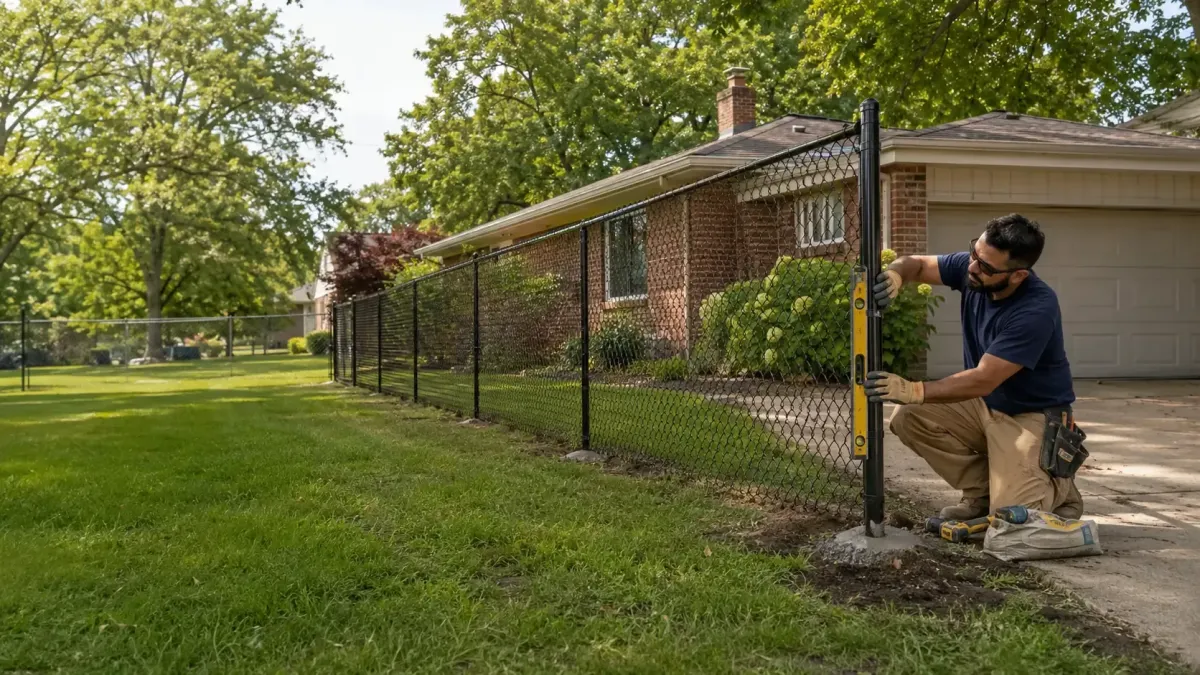
Chain link encloses the most yard per dollar and clears Dearborn's style rules without argument.
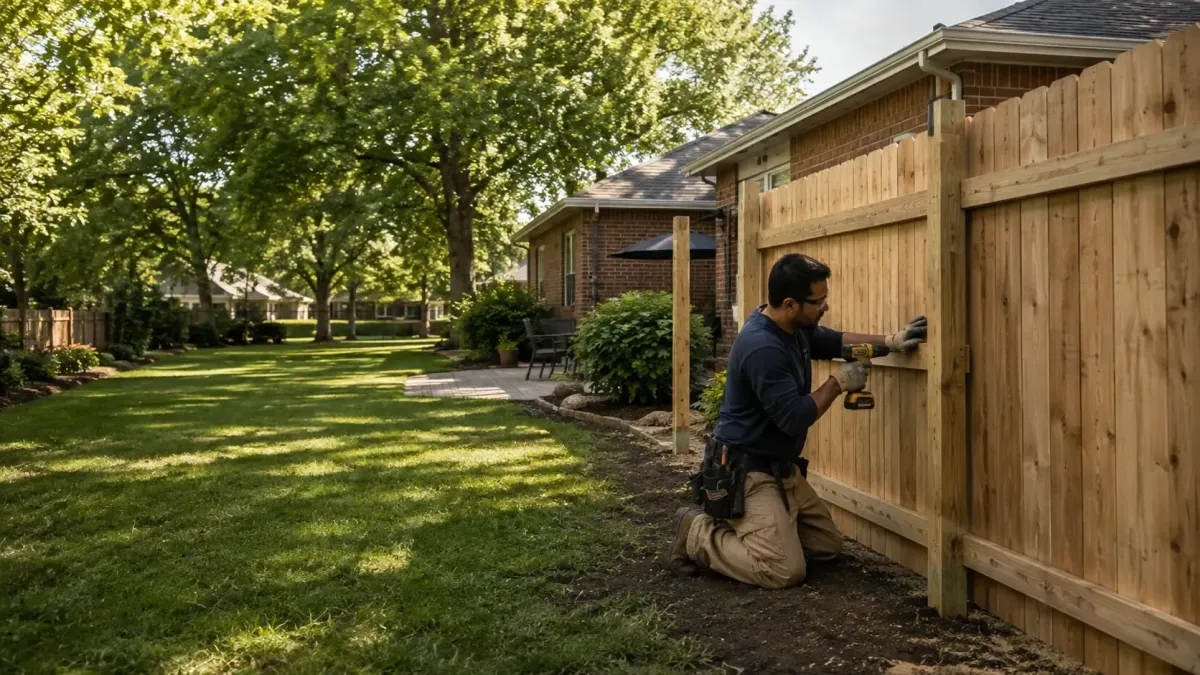
Wood gives the most style range inside Dearborn's six-foot residential cap.
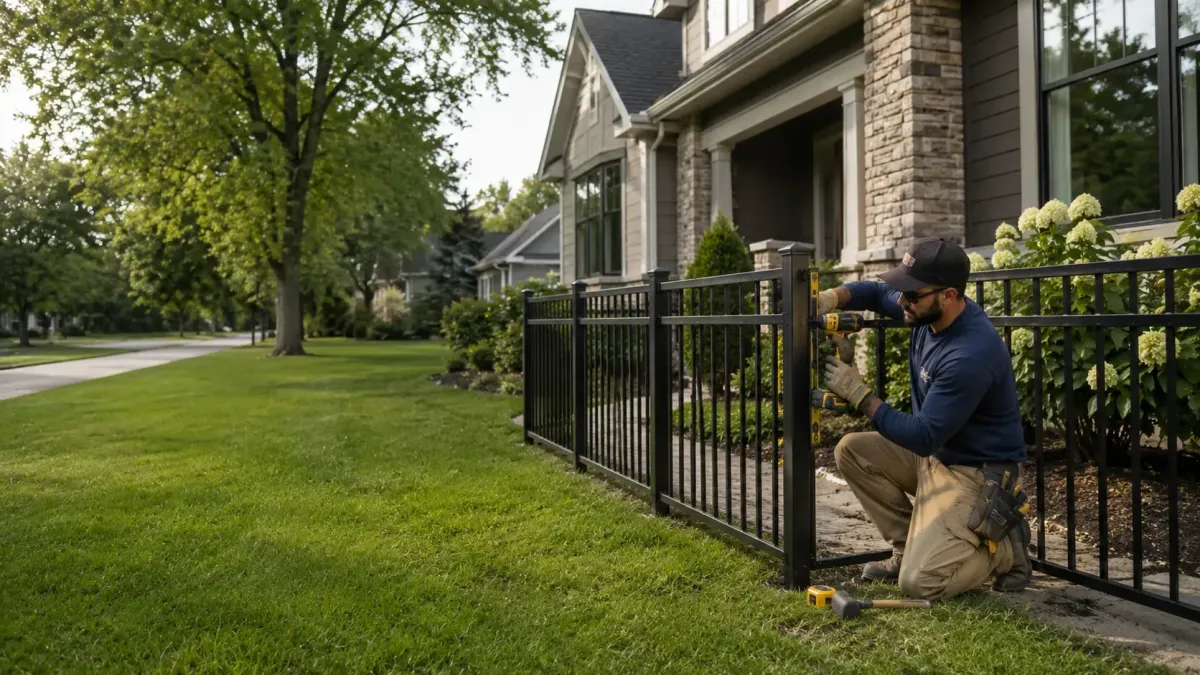
Aluminum delivers a wrought-iron look with none of the rust or repainting.
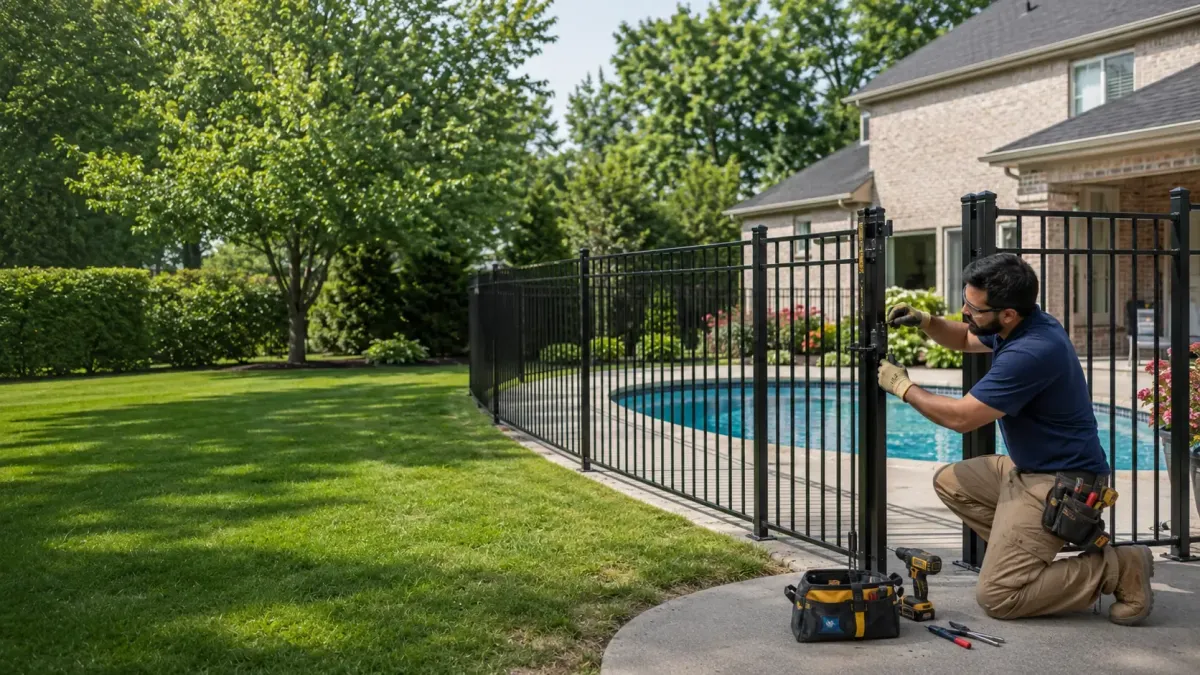
A pool enclosure is a safety barrier the city inspects, not a decorative fence.
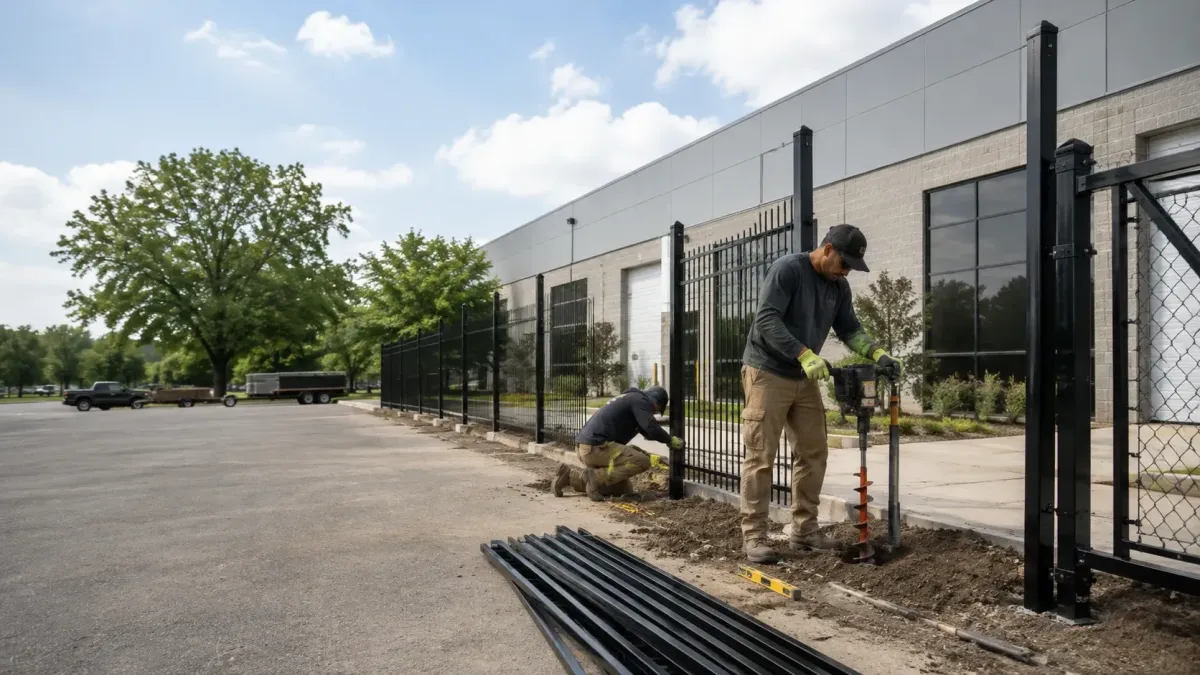
Commercial and industrial districts allow taller fencing than any residential yard.
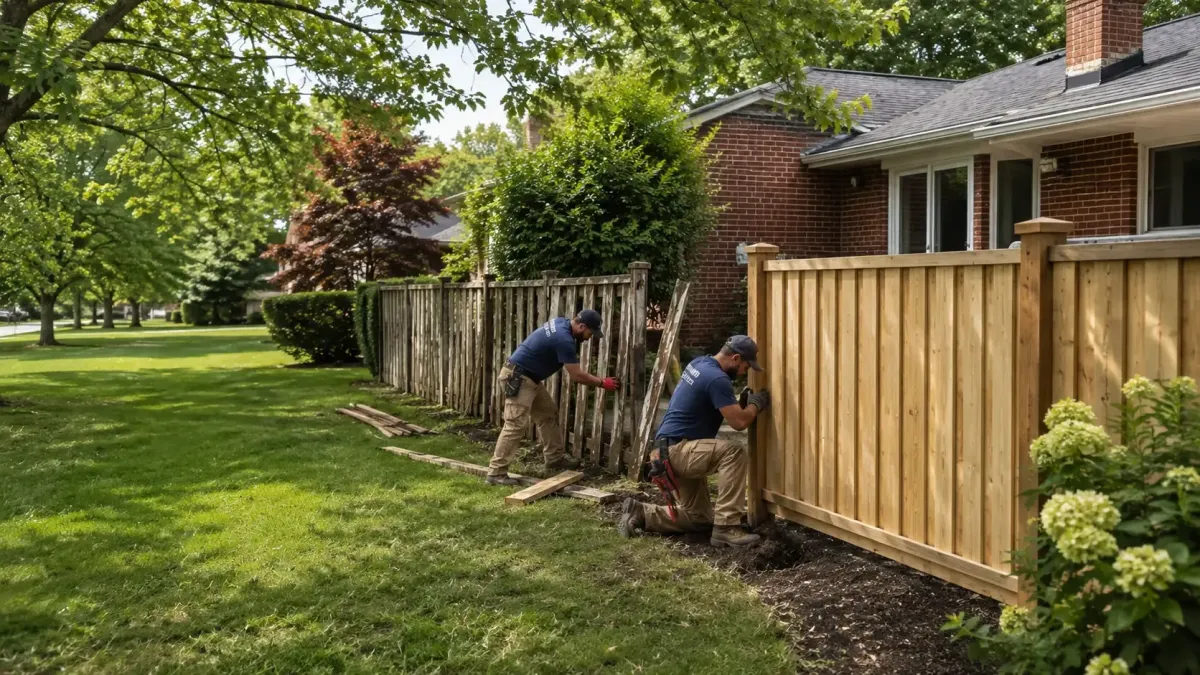
Replacing a fence means removing the old one first, which the ordinance requires.
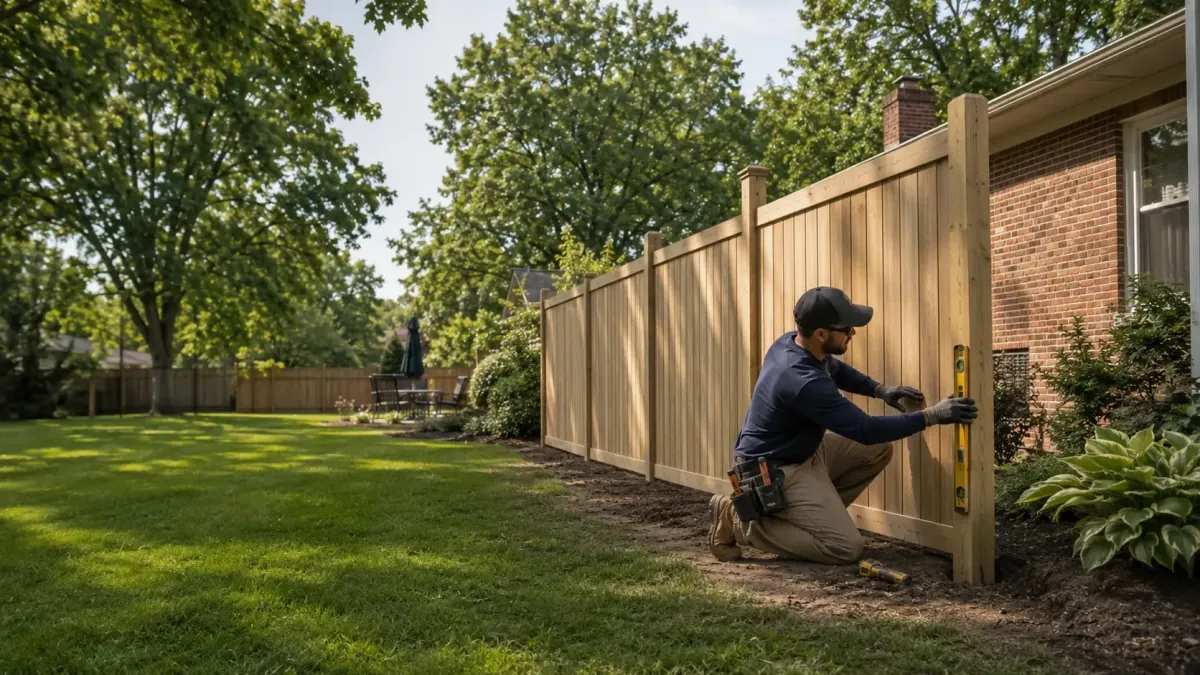
Full privacy is permitted here in wood or vinyl, to six feet including any top.
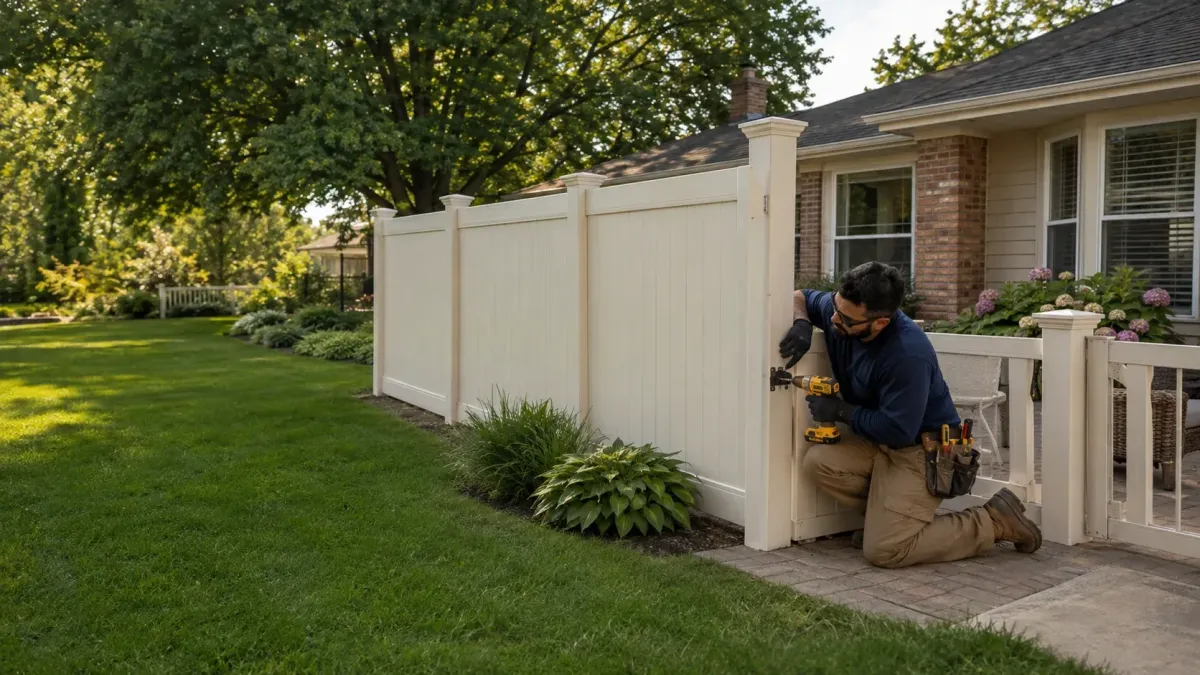
Vinyl trades a higher up-front cost for no staining, sealing or repainting.
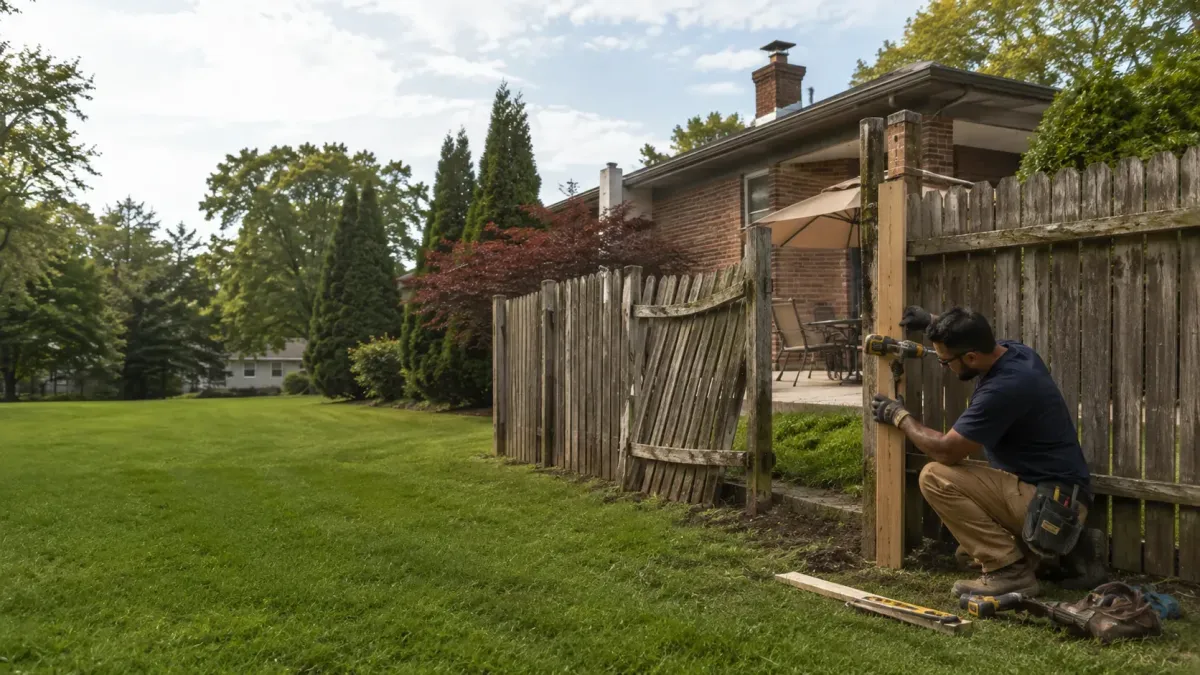
Most fence repairs are post repairs wearing the disguise of a panel problem.
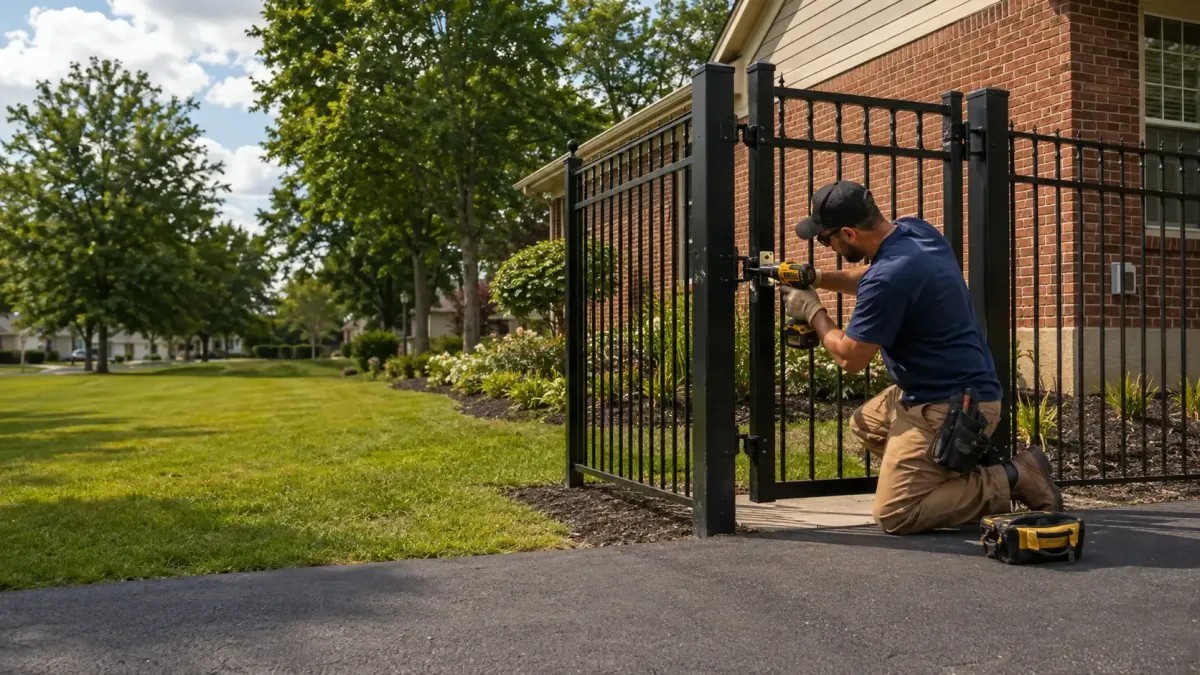
The gate is the only part of a fence that moves, so it is what fails.
Cities We Install Fences In
Fences built to the Dearborn permit, not around it
Melvindale, Inkster, Garden City, Allen Park and Lincoln Park each run their own permit process, and none of them matches Dearborn's. Post depth, front-yard height, whether a solid fence is even allowed, and who has to sign all change at the city line. We work to the rule for your address.
Frequently Asked Questions
Fence Installation can be complex, and we’re here to provide answers to common questions. Here are some frequently asked questions from our clients.
Frequently Asked Questions about fence installation dearborn michigan
Do I need a permit for a fence in Dearborn, Michigan?
Yes. A fence permit is required, and the application goes to the Permit Services Division with two scaled copies of your land survey or site plan showing property lines, easements, existing structures and the proposed fence. If you are applying for a semi-private or full privacy style, a photo of the style goes in as well. We assemble and file the package as part of the job.
What are the fence height rules in Dearborn, Michigan?
Six feet is the maximum in residential districts, and six feet in commercial districts. Industrial districts allow eight. A decorative top may add up to one foot but must have a solid top rail and a minimum fifty percent clear open view, and the overall height still cannot exceed six feet. So a five-foot fence with a one-foot decorative top is a six-foot fence.
Do I need neighbor approval to install a fence in Dearborn?
You need the signature of every adjacent property owner agreeing to both the location and the style of the proposed fence. If a neighbor cannot be reached or refuses, the ordinance sets out a path: certified mail with return receipt requesting a response within fifteen days, then an official notice from the city allowing another fifteen days. If no valid reason to withhold is given, the permit issues. Unresolved cases go to the Building Board of Appeals.
How much does a fence permit cost in Dearborn?
The city's fence permit is billed in three parts: a thirty-five dollar application fee, a forty dollar plan review fee and a fifty dollar permit fee, for one hundred twenty-five dollars total. That is the permit only and is separate from the cost of the fence itself. An application to the Building Board of Appeals, if a fence dispute reaches that point, carries its own three hundred dollar fee.
Can I install a privacy fence in Dearborn, Michigan?
Yes. Semi-private and full privacy styles in wood or vinyl are permitted, up to the same six-foot residential maximum, and the application requires a photo of the style you intend to build. The side with the more finished appearance has to face outward. What you cannot do is run any fence into your own front yard.
What type of fences are allowed in Dearborn, Michigan?
Chain-link and cyclone in metal, picket in wood, vinyl or wrought iron, and semi-private or full privacy in wood or vinyl. Masonry fences and vinyl slats woven into chain link are not permitted, and neither are razor wire, barbed wire on residential property or any fence carrying electric current. Picket tops need blunt or ball finials, a top rail, or an angle of at least ninety degrees.
Frequently Asked Questions about Fence Replacement
Should I repair or replace my fence?
Push each post hard at shoulder height and watch the base. Movement at the soil line means the post has failed below grade, and boards can be replaced but a failed post cannot be rescued. If under a third of the posts move, repair those sections. If more than a third move, replacement costs less over the next ten years than repeating the repair three times.
Can I leave the old fence up while the new one goes in?
Not on a shared line. Only one fence may be installed along any common adjoining property line, and the existing fence has to come out before the new one goes in. We usually sequence removal and installation so the yard is open for the shortest practical window, which matters most for households with dogs.
Do old fence footings have to come out?
Yes, if the new posts need to land anywhere near the old ones, which on a replacement along the same line they almost always do. Concrete footings left in place force the new posts off the intended line or into wider spacing, and both are visible in the finished fence. Removing them is part of the job rather than an extra.
Is a permit needed to replace an existing fence?
Yes. A replacement is a new fence as far as the application is concerned, with the same survey, site plan and adjacent-owner signature requirements, and a photo of the style if you are going semi-private or full privacy. If you are changing style, height or material from what was there, that is exactly when the review matters.
Replace Your Dearborn Fence
What Our Satisfied Clients Have to Say About Dearborn Fence Installation
We pride ourselves on delivering great results and experiences for each client. Hear directly from home and business owners who’ve trusted us with their Fence Installation needs.
The Trusted Fence Installation Expert Near You
Ready to hear more about expert services at Dearborn Fence Installation?
Contact us today to receive a detailed, no-obligation quote.


