Chain Link Fence Installation in Dearborn, MI
Galvanized and Vinyl-Coated Chain Link, Permitted and Set
Chain link fencing is the most permitted style in Dearborn and the least argued over, because it is explicitly named in the ordinance and it raises none of the questions a solid fence does. It also encloses more linear footage per dollar than anything else we install, which is why it stays the default for large rear yards, dog runs and side-yard runs between closely spaced houses. The variables that matter are mesh gauge, coating and post sizing. A nine-gauge galvanized mesh on schedule-forty posts behaves very differently over twenty winters than a lighter mesh on residential-grade tubing, and the difference shows up as sag along the top rail rather than as an outright failure. Vinyl-coated mesh in black or green costs more up front and reads far less industrial from inside the yard, which matters on a fence you will look at every day. Terminal posts at every corner, gate and end carry the tension of the entire run, so they get larger diameter and more concrete than the line posts between them. One rule specific to Dearborn is worth knowing before you choose: vinyl slats woven into chain link for privacy are not permitted here. If privacy is the goal, chain link is not the route to it, and we will say so at the estimate rather than after.
We measure the run, mark corners and gate openings, and file the permit package with your survey. Metal posts have to be at least one and five-eighths inches in diameter and every steel, metal or vinyl post gets encased in concrete. Utility locates go in three working days ahead through MISS DIG, which is state law and not a formality. On install day we set terminal posts first, run and tension the mesh between them, and finish with top rail, bands and gate hardware. You get the permit number and the layout drawing for your records.
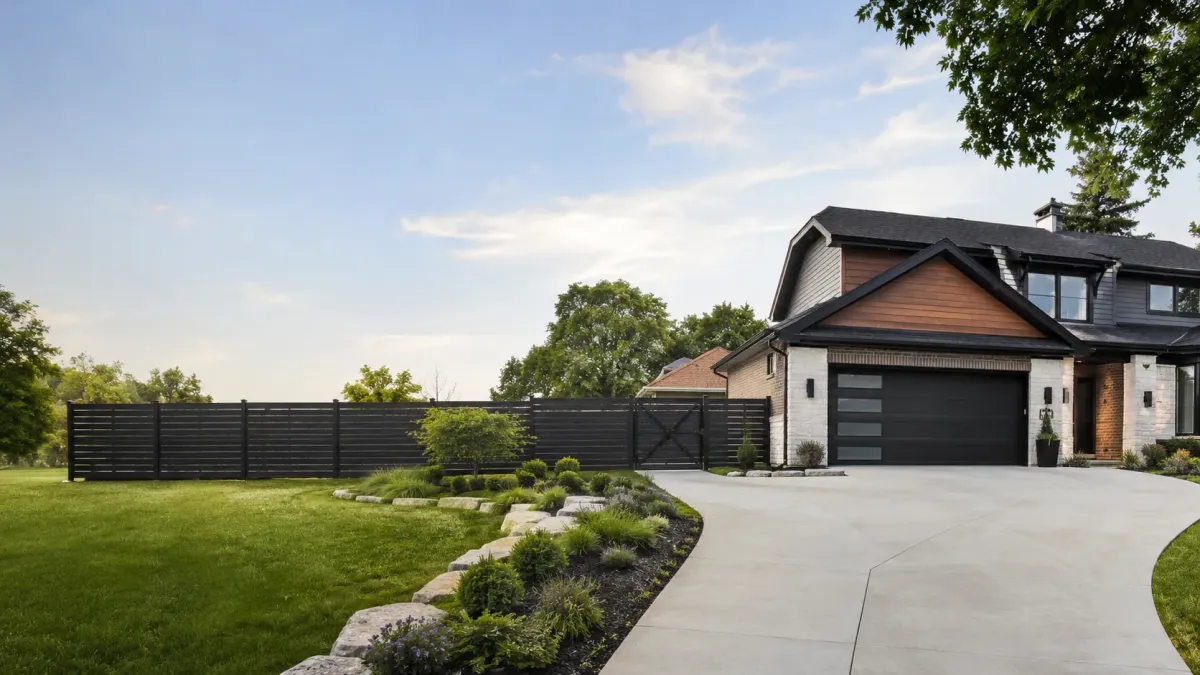
What's Included in our Chain Link Fence Installation service?
Mesh Gauge and Coating
Wire gauge and galvanized or vinyl coating set how the fence ages against road salt.
Post and Footing Depth
Terminal and line posts sized and set to the thirty-six inch minimum the city inspects.
Top Rail and Tension
Top rail, tension bars and bands decide whether the mesh stays flat for decades.
Proudly serving Dearborn, Melvindale, Inkster, Garden City, Allen Park and Lincoln Park for 11+ years.
Comprehensive Fence Installation Services in Dearborn
Tailored to Your Needs
Ten services, from chain link and wood through ornamental aluminium, pool enclosures, commercial perimeters, full replacement, repair and gates. The material you choose decides the price of the job. The ordinance written for your specific address decides the layout, the post depth and who has to sign the application, and that is where every one of our estimates starts.
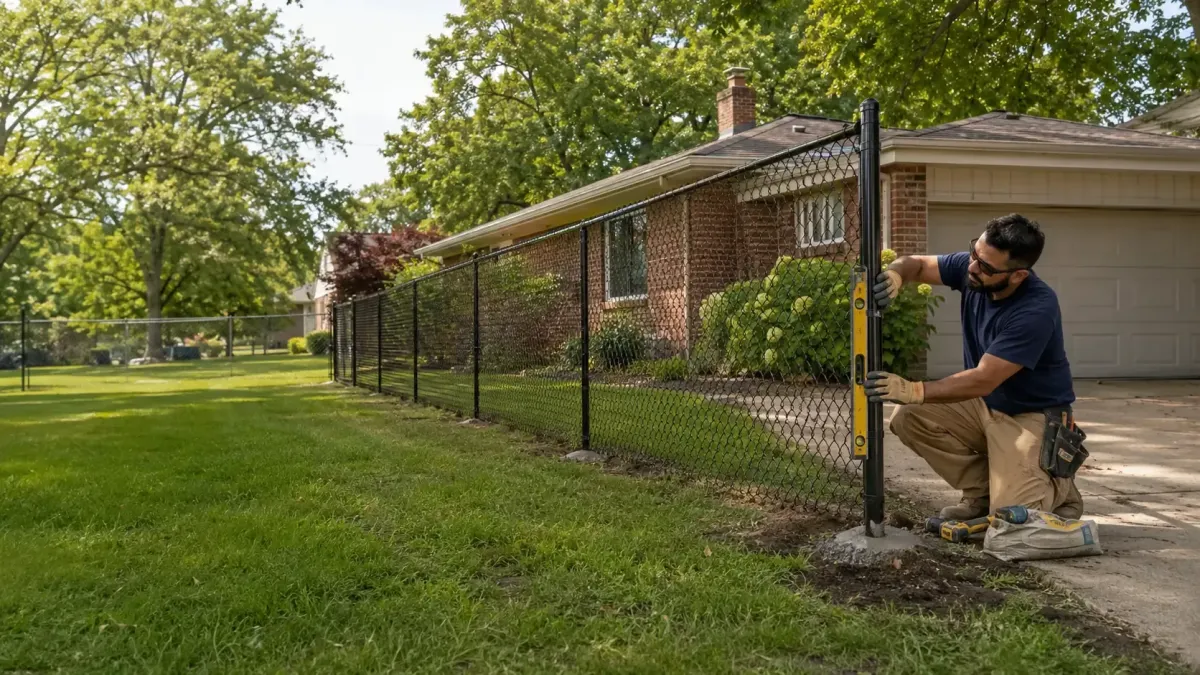
Chain link encloses the most yard per dollar and clears Dearborn's style rules without argument.
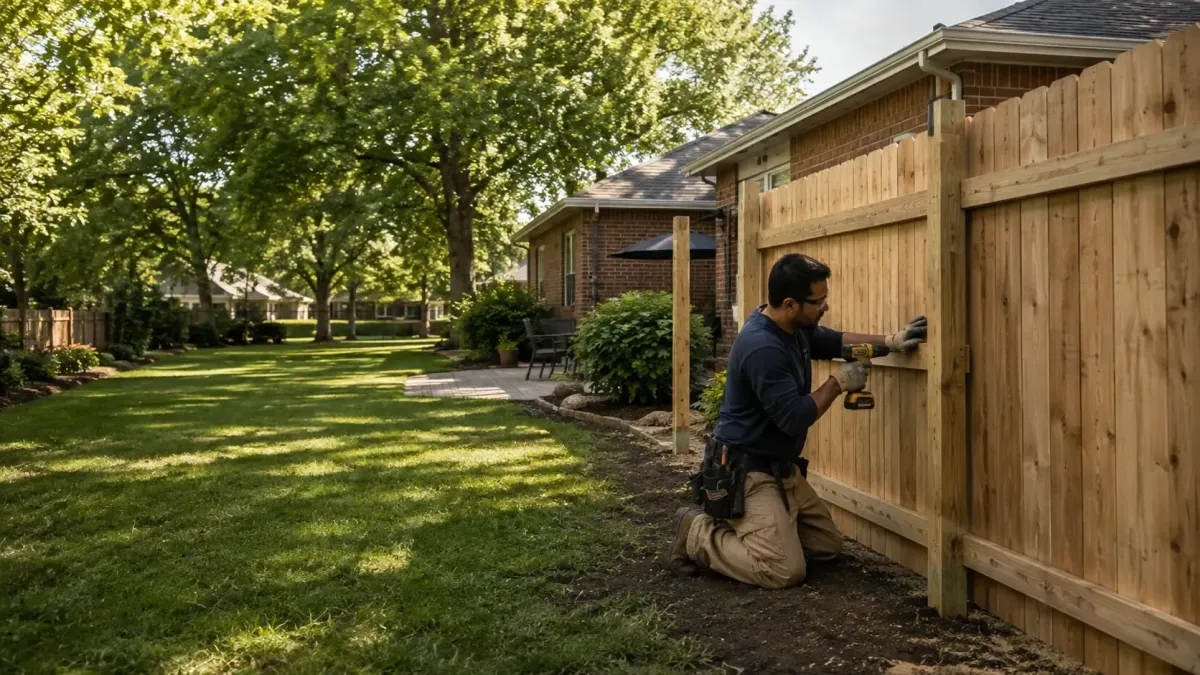
Wood gives the most style range inside Dearborn's six-foot residential cap.
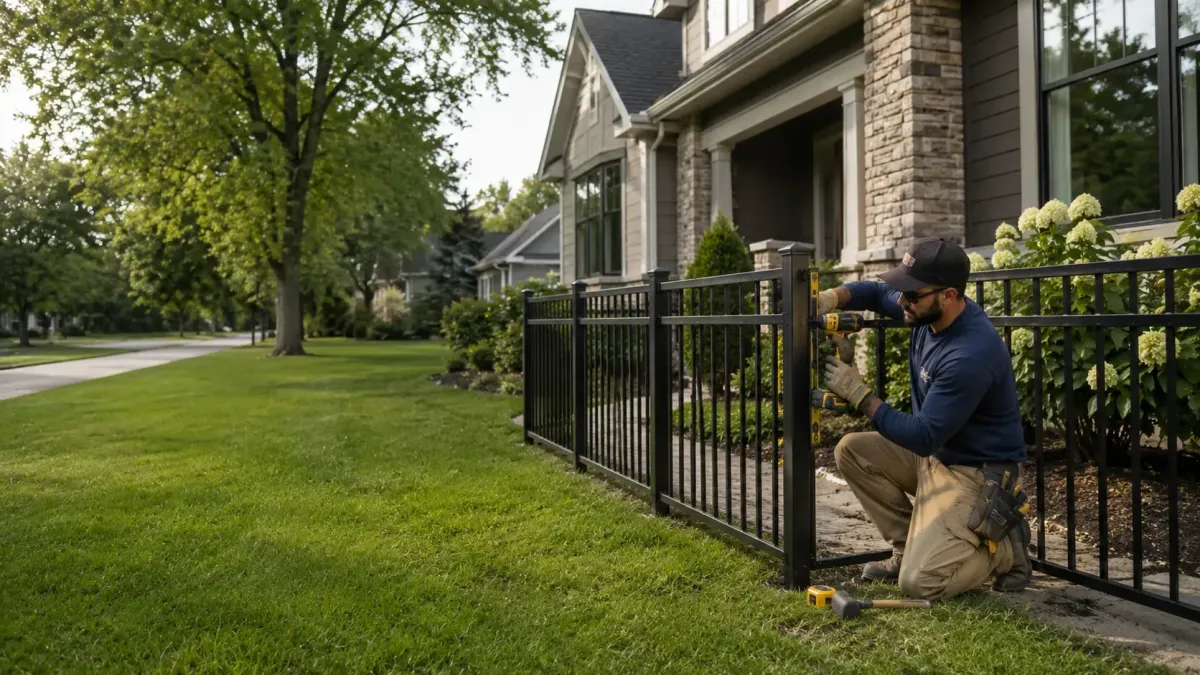
Aluminum delivers a wrought-iron look with none of the rust or repainting.
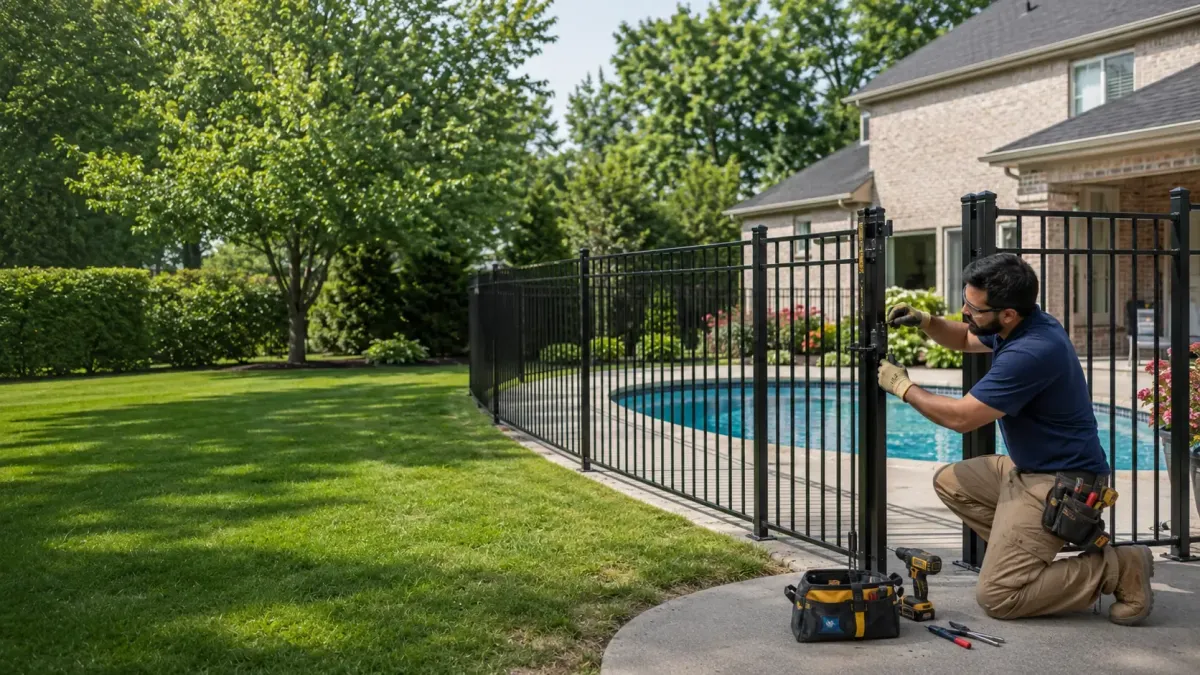
A pool enclosure is a safety barrier the city inspects, not a decorative fence.
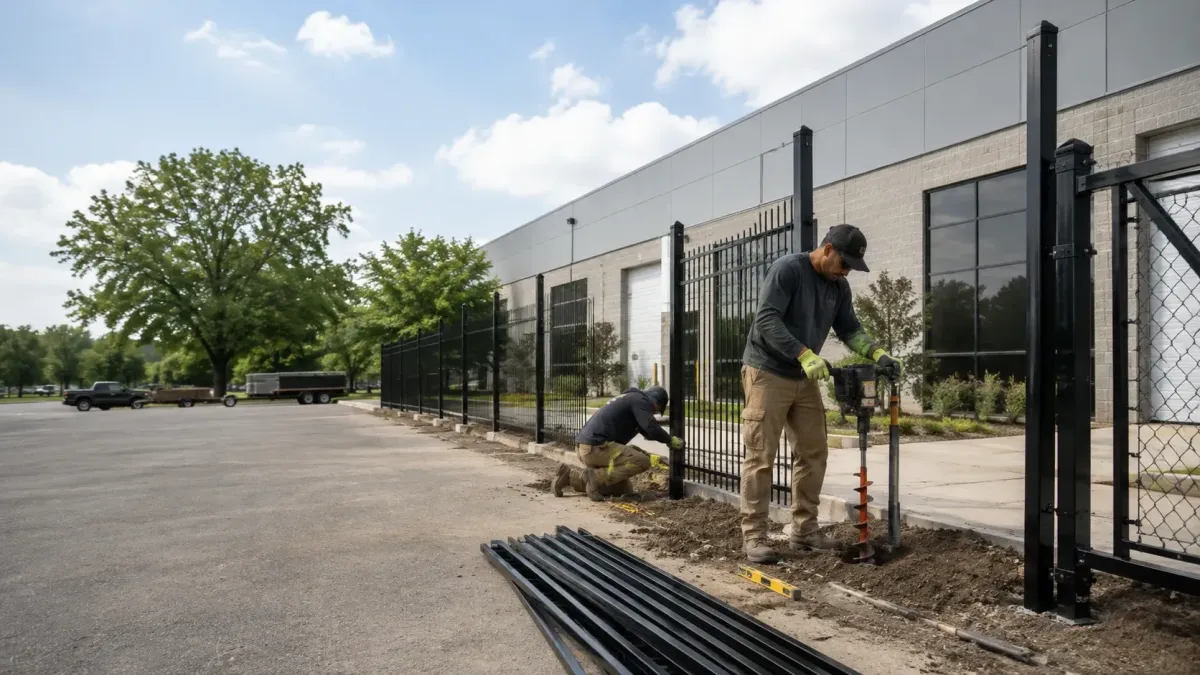
Commercial and industrial districts allow taller fencing than any residential yard.
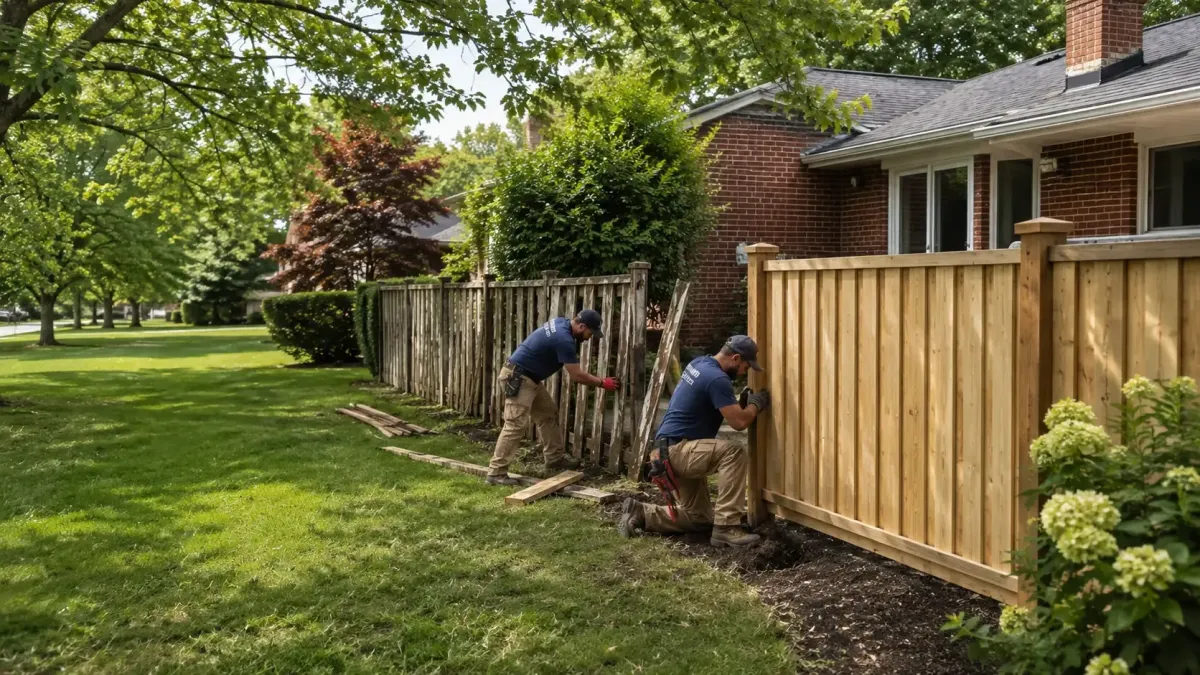
Replacing a fence means removing the old one first, which the ordinance requires.
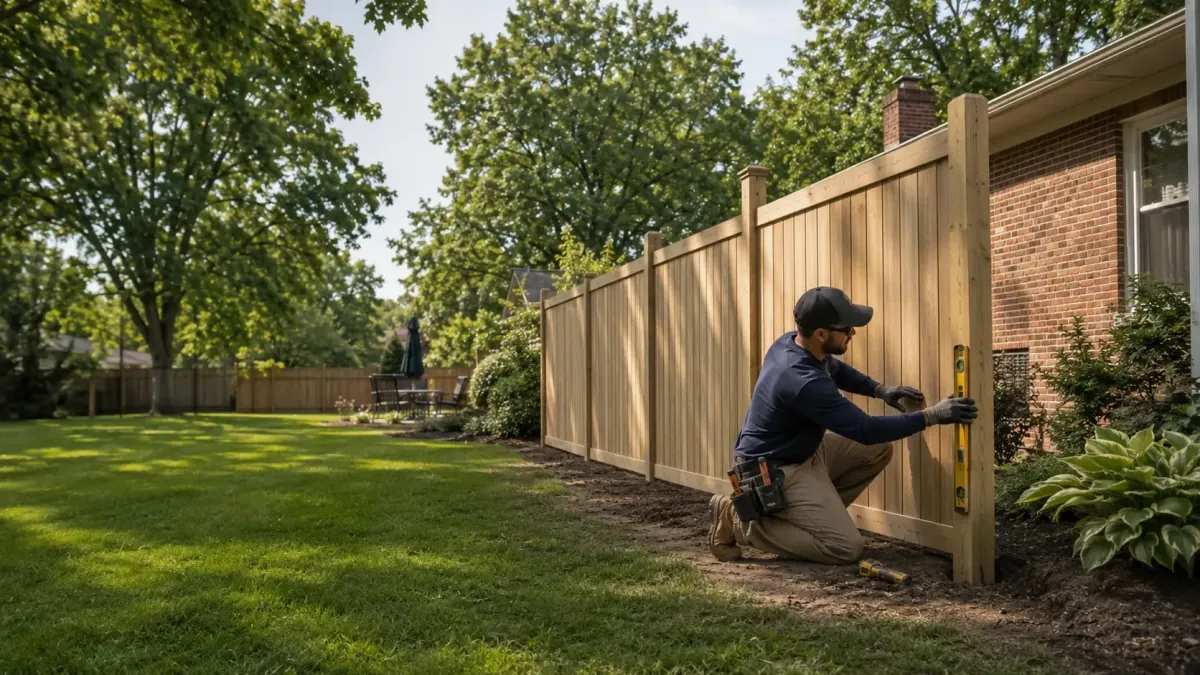
Full privacy is permitted here in wood or vinyl, to six feet including any top.
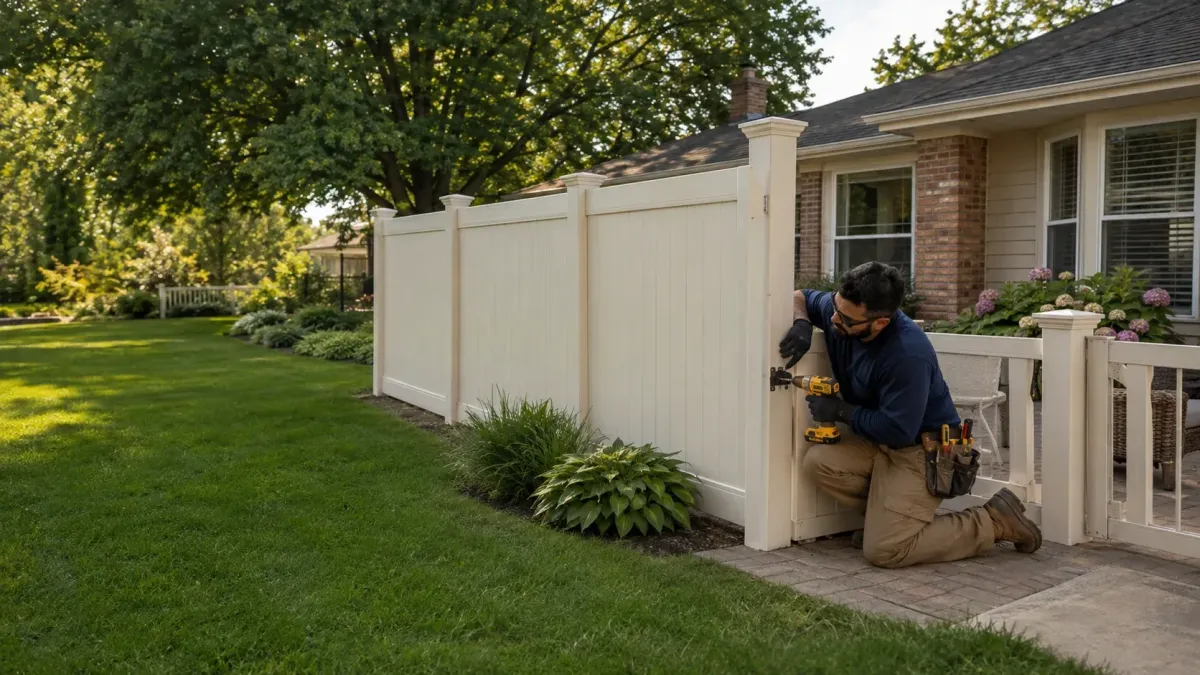
Vinyl trades a higher up-front cost for no staining, sealing or repainting.
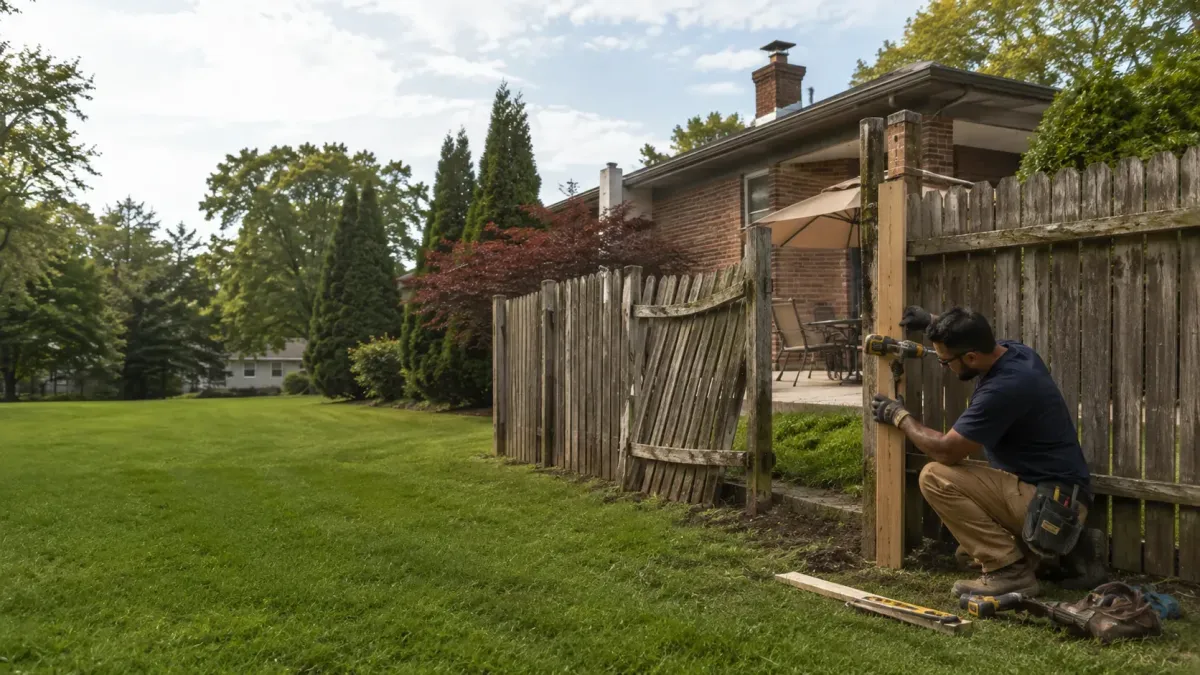
Most fence repairs are post repairs wearing the disguise of a panel problem.
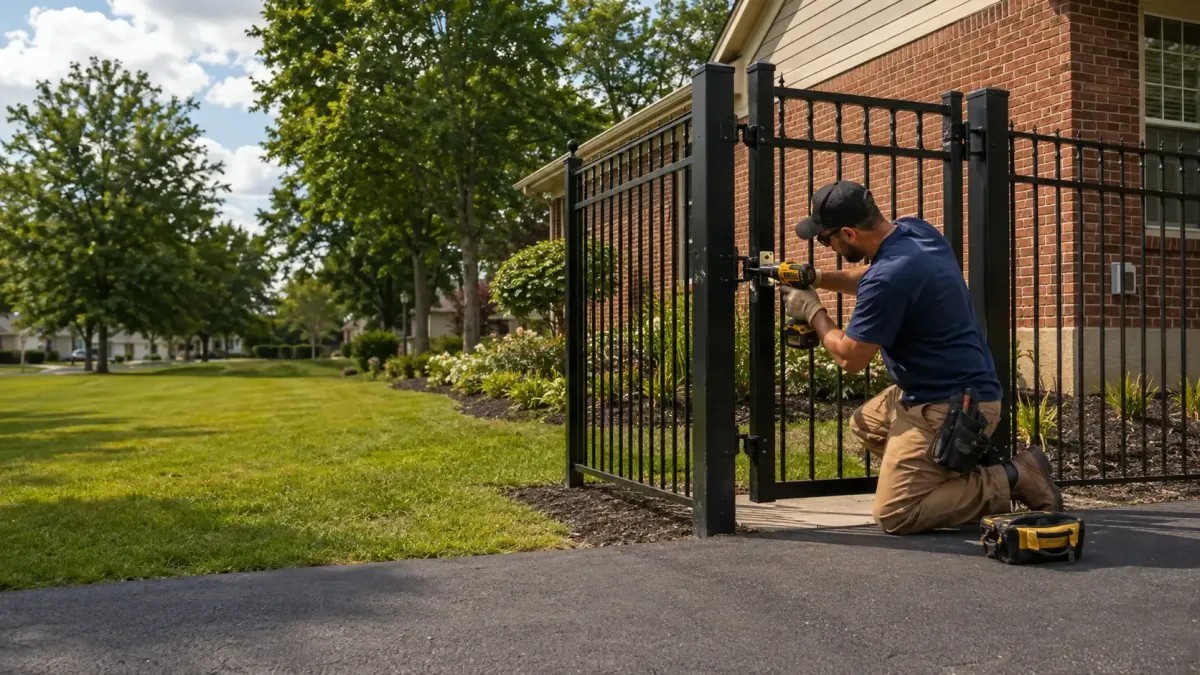
The gate is the only part of a fence that moves, so it is what fails.
Cities We Install Fences In
Fences built to the Dearborn permit, not around it
Melvindale, Inkster, Garden City, Allen Park and Lincoln Park each run their own permit process, and none of them matches Dearborn's. Post depth, front-yard height, whether a solid fence is even allowed, and who has to sign all change at the city line. We work to the rule for your address.
Frequently Asked Questions
Fence Installation can be complex, and we’re here to provide answers to common questions. Here are some frequently asked questions from our clients.
Frequently Asked Questions about fence installation dearborn michigan
Do I need a permit for a fence in Dearborn, Michigan?
Yes. A fence permit is required, and the application goes to the Permit Services Division with two scaled copies of your land survey or site plan showing property lines, easements, existing structures and the proposed fence. If you are applying for a semi-private or full privacy style, a photo of the style goes in as well. We assemble and file the package as part of the job.
What are the fence height rules in Dearborn, Michigan?
Six feet is the maximum in residential districts, and six feet in commercial districts. Industrial districts allow eight. A decorative top may add up to one foot but must have a solid top rail and a minimum fifty percent clear open view, and the overall height still cannot exceed six feet. So a five-foot fence with a one-foot decorative top is a six-foot fence.
Do I need neighbor approval to install a fence in Dearborn?
You need the signature of every adjacent property owner agreeing to both the location and the style of the proposed fence. If a neighbor cannot be reached or refuses, the ordinance sets out a path: certified mail with return receipt requesting a response within fifteen days, then an official notice from the city allowing another fifteen days. If no valid reason to withhold is given, the permit issues. Unresolved cases go to the Building Board of Appeals.
How much does a fence permit cost in Dearborn?
The city's fence permit is billed in three parts: a thirty-five dollar application fee, a forty dollar plan review fee and a fifty dollar permit fee, for one hundred twenty-five dollars total. That is the permit only and is separate from the cost of the fence itself. An application to the Building Board of Appeals, if a fence dispute reaches that point, carries its own three hundred dollar fee.
Can I install a privacy fence in Dearborn, Michigan?
Yes. Semi-private and full privacy styles in wood or vinyl are permitted, up to the same six-foot residential maximum, and the application requires a photo of the style you intend to build. The side with the more finished appearance has to face outward. What you cannot do is run any fence into your own front yard.
What type of fences are allowed in Dearborn, Michigan?
Chain-link and cyclone in metal, picket in wood, vinyl or wrought iron, and semi-private or full privacy in wood or vinyl. Masonry fences and vinyl slats woven into chain link are not permitted, and neither are razor wire, barbed wire on residential property or any fence carrying electric current. Picket tops need blunt or ball finials, a top rail, or an angle of at least ninety degrees.
Frequently Asked Questions about Chain Link Fence Installation
How much does chain link fence installation cost in Dearborn?
There is no single figure, because chain link is priced by the linear foot and the mesh gauge, height, coating and number of gates move it substantially. A four-foot galvanized run across a flat rear yard and a six-foot vinyl-coated run with two gates and three corners are different jobs. We measure on site and price the run, and the city permit is billed separately by the city.
Is chain link allowed everywhere in Dearborn?
Chain link and cyclone styles in metal are explicitly permitted. The limits are on placement rather than material: no fence extends into your own front yard, corner lots taper down toward the front lot line, and fences stay twelve inches off the public sidewalk. If your address falls inside a civic association or historic district that reviews fences, that review happens before the permit.
Can I add privacy slats to a chain link fence?
Not in Dearborn. Vinyl slats inserted into chain-link or cyclone fences are listed among the prohibited fence types. Homeowners are often surprised by this because slats are sold everywhere and are legal in plenty of nearby cities. If you want screening, a semi-private or full privacy fence in wood or vinyl is the permitted route.
How deep do chain link posts have to be set?
Thirty-six inches is the minimum footing depth for fence posts in Dearborn, and metal posts must be at least one and five-eighths inches in diameter and encased in concrete. That depth is well below the frost line for this area, which is the practical reason behind it. Shallow-set posts heave, and a heaved terminal post pulls the tension out of the whole run.
Get Your Dearborn Chain Link Quote
What Our Satisfied Clients Have to Say About Dearborn Fence Installation
We pride ourselves on delivering great results and experiences for each client. Hear directly from home and business owners who’ve trusted us with their Fence Installation needs.
The Trusted Fence Installation Expert Near You
Ready to hear more about expert services at Dearborn Fence Installation?
Contact us today to receive a detailed, no-obligation quote.


